Ventilation & Insulation: Reduce Bills and Prevent Roof Damage
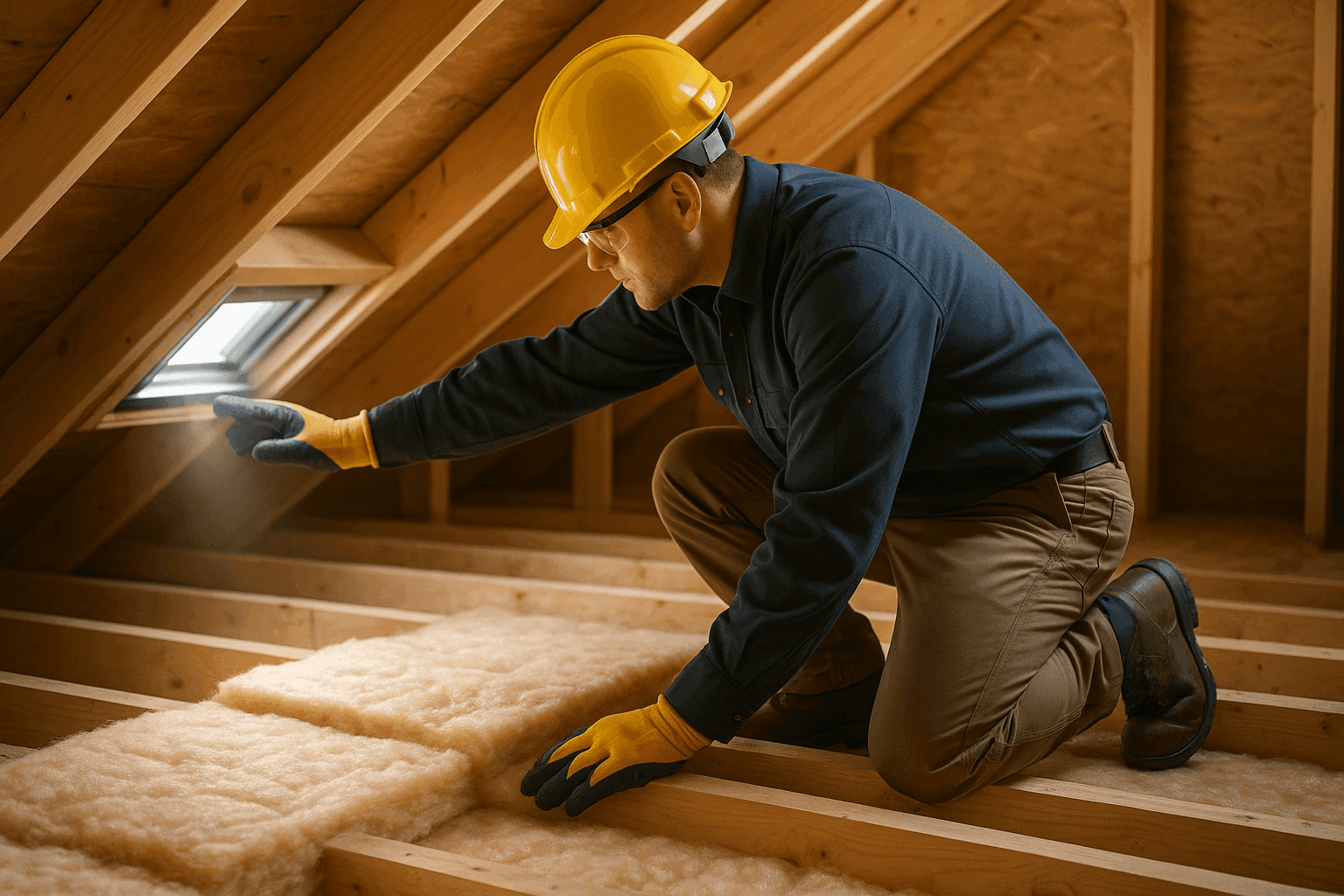
When was the last time you thought about what’s happening above your ceiling? Most homeowners and businesses don’t—until energy bills spike or a wet patch creeps across the drywall. It’s easy to overlook, but poor attic ventilation and insulation can cause hidden damage and silent costs.
At Blue Phoenix Roofing, we see firsthand how ventilation and insulation choices affect every roof—from cozy homes to sprawling commercial buildings. We’re certified installers trained to spot trouble early, and we understand how a well-ventilated attic can keep you safe, dry, and comfortable year-round.
Why Roof Ventilation Matters 🌬️
Think of your attic as your building’s lungs. If air can’t move in and out, things get stuffy—fast. Heat builds up in summer, moisture lingers in winter. Both are bad news for your roof.
The Science In Simple Terms
- Hot air rises. If it can’t escape the attic, shingles bake from below. That shortens their life.
- Moisture wants out. Everyday activities—cooking, showers—send vapor upward. Without airflow, it sticks around. That leads to mold, wood rot, and even warped decking.
Here’s a simple airflow diagram to visualize:
      [Cool Air In]
         ▼
   (Soffit Vents)
        ________
       /        \
      /  Attic   \
     /            \
    /   ↑↑↑↑↑↑↑   \
 (Ridge/Box Vents) [Warm Air Out]
Key Benefits
- Lower attic temps in summer—reducing AC costs by up to 10–12% (U.S. Department of Energy)
- Prevents ice dams and roof leaks during winter
- Stops roof deck warping and extends shingle lifespan
Commercial properties see the same advantages—just on a bigger scale.
Best Practices for Attic Insulation
If ventilation is the lungs, insulation is the blanket. The right material and thickness help keep your inside air where it belongs.
Types of Insulation
- Fiberglass batts: Affordable, reliable
- Blown-in cellulose: Fills gaps in hard-to-reach places
- Spray foam: Great at sealing leaks around wiring, pipes, and beams
How Much Is Enough?
The U.S. Department of Energy recommends an attic R-value of R-38 to R-60 for most regions. Translation: about 10–20 inches of insulation.
- Too little? Heat escapes in winter, making your furnace work overtime.
- Too much? You can block airflow, undoing all the benefits of your vents.
Installation Pointers
- Check for gaps, especially near eaves and vents
- Never cover soffit vents with insulation—airflow is key!
- For new construction or roof replacement near you, coordinate insulation and ventilation from day one
Signs of Poor Ventilation
Wondering if your attic has a problem? Watch for these warning signs:
- High energy bills: Heating or cooling costs suddenly spike
- Ice dams: Icicles and thick ice at the roof edge in winter
- Musty odors: Smells of mold or mildew, especially after rain
- Peeling paint: Exterior paint bubbles or flakes near the roofline
- Hot upstairs rooms: Upper floors roast in summer, even with the AC running
If you notice any of these, it’s time to take a closer look.
Preventing Mold and Moisture Damage 🦠
Mold is sneaky. It grows quietly behind walls and under insulation, feeding on damp wood and drywall. Left unchecked, mold can threaten your health and the structure of your home or business.
How Moisture Gets In
- Everyday living: Cooking, showers, laundry
- Roof leaks: Damaged shingles, cracked flashing, missing sealant
- Blocked vents: Insulation or debris covering soffit or ridge vents
What You Can Do
- Inspect your attic twice a year—spring and fall are best
- Keep vents clear (inside and outside)
- Watch for condensation on rafters or insulation
- Fix roof leaks promptly—Blue Phoenix Roofing offers 24/7 emergency roofing
Certified & Trusted: Blue Phoenix Roofing Credentials
Our team is manufacturer-certified and OSHA-trained for all roof and attic work. We follow International Building Code (IBC) and OSHA safety guidelines at every job. We’ve completed hundreds of ventilation and insulation upgrades for families and businesses just like yours.
Real Customer Feedback
“After Blue Phoenix Roofing added ridge vents and new insulation, our upstairs finally stays cool—and our energy bill dropped by $60/month last summer!”
— Lisa R., Homeowner
“Our old commercial flat roof was always leaking. The airflow diagram they showed me made sense, and the fixes worked. No more mold.”
— Mark T., Property Manager
Practical Tips: What You Can Do Now
- Check your attic temperature on a hot day—it should be close to the outside air
- Feel for dampness in insulation or look for water stains on rafters
- Make sure soffit and ridge vents are open and not blocked by insulation
- Consider an energy audit (many utility companies offer these)
When To Call Blue Phoenix Roofing
- If you’re dealing with persistent leaks, mold, or sky-high utility bills
- During roof replacement near you or after major storms
- For emergency roofing needs—like storm damage or sudden leaks
FAQ: Ventilation & Insulation
How often should I check my attic?
Twice a year is ideal—once in spring, once in fall.
Can I add more insulation myself?
You can, but you risk blocking airflow or missing hidden damage. When in doubt, call Blue Phoenix Roofing.
What’s the best type of vent?
It depends on your roof style—ridge vents, box vents, and soffit vents all have their place. We’ll recommend what fits your structure best.
Are energy savings real?
Yes. The U.S. Department of Energy says proper insulation and ventilation can cut heating and cooling costs by 10–20%.
Local & Seasonal Considerations
Different climates need different solutions. In humid areas, airflow is critical to prevent mold. In snowy regions, proper venting helps prevent ice dams that can rip up shingles and gutters. After major storms, always check your attic for new leaks or insulation damage.
Take The Next Step
A healthy attic means a healthy roof—and lower bills. Don’t wait for water stains or sky-high AC costs. Blue Phoenix Roofing is ready to help, day or night.
Call Blue Phoenix Roofing now — or reach us anytime at 888-449-2134 .