The Ultimate Guide to Roof Ventilation and Insulation for Energy Efficiency
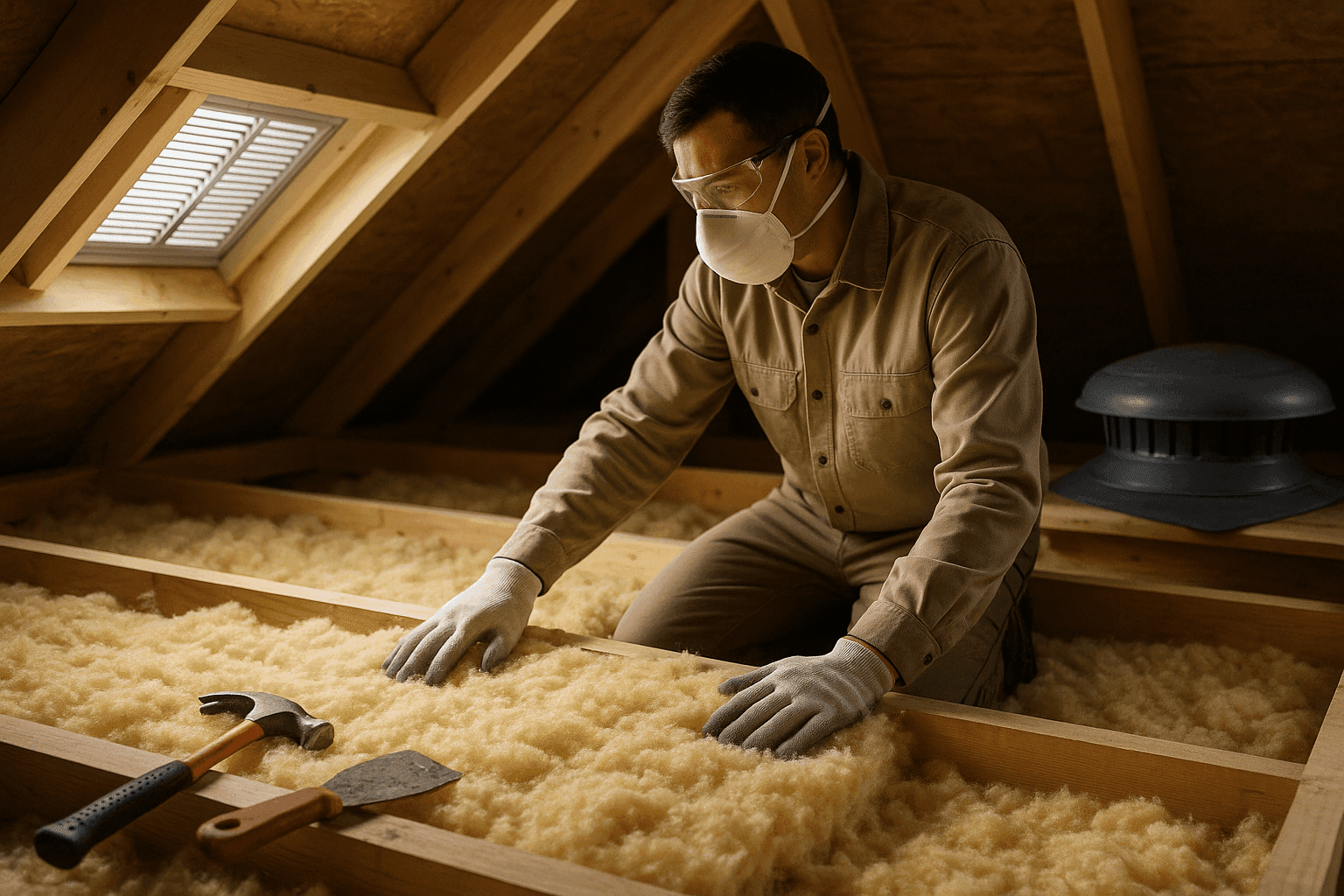
Is your attic stifling in summer and freezing in winter? Does your energy bill spike every season change? You’re not alone. Many property owners don’t realize how much roof ventilation and insulation affect comfort, costs, and even the lifespan of their roof.
At Blue Phoenix Roofing, we see the same issues day after day—moldy insulation, warped shingles, and sudden leaks—often because ventilation or insulation was neglected. Let’s break down what you need to know to protect your home or business, keep bills in check, and avoid emergency roofing calls.
Why Roof Ventilation and Insulation Matter
Think of your roof as a hat for your building. If it’s too tight, you overheat. Too loose, and you freeze. Proper ventilation and insulation create the perfect balance—letting air flow where it should, trapping heat where you want it, and stopping moisture in its tracks.
Key Benefits
- Lower Energy Bills: Keeps heat in during winter, out during summer.
- Moisture Control: Stops condensation, mold, and rot.
- Longer Roof Life: Prevents warping, cracking, and shingle damage.
- Better Comfort: Fewer hot and cold spots indoors.
- Healthier Air: Reduces allergens and mildew.
The U.S. Department of Energy and the International Residential Code both stress the importance of these systems for safe, efficient buildings.
Common Roof Ventilation Systems 🌀
There’s no one-size-fits-all. Ventilation comes in a few main types, each with its own strengths.
Ridge Vents
Long, low-profile vents installed at the peak of your roof. They let hot air escape naturally, like steam from a kettle.
Soffit Vents
Found under the eaves, these draw in cooler air from outside. They’re the intake to the ridge vent’s exhaust.
Gable Vents
Mounted on the ends of your attic, these help cross-ventilate. Best for roofs with gable ends.
Powered Attic Fans
Electric or solar fans that actively move air. Useful for large or complex roofs, but must be carefully sized.
Insulation Materials for Roofs
Choosing insulation is like picking the right blanket—some are thick and fluffy, others thin but dense.
- Fiberglass Batts: Affordable, easy to install, but can sag over time.
- Blown-In Cellulose: Fills gaps well, made from recycled paper.
- Spray Foam: Seals air leaks, high R-value, but needs pro installation.
- Rigid Foam Boards: Great for flat roofs or tight spaces.
The higher the R-value, the better the insulation resists heat flow. Always follow manufacturer specs and building codes.
How to Spot Roof Ventilation and Insulation Problems
Small clues can point to big trouble. Here’s what to watch for:
- Ice Dams in Winter: Icicles along the eaves mean warm air is melting snow from below.
- Hot Attic in Summer: If it feels like an oven up there, air isn’t moving.
- Mold or Mildew: Musty smells or dark patches on wood/insulation.
- Uneven Temperatures: Rooms that are always too hot or cold.
- Peeling Paint or Stained Ceilings: Moisture is sneaking in.
Walk your attic with a flashlight. Check for damp insulation, rusty nails, or visible gaps.
Quick Safety Checklist Before You Start 🔎
- Wear gloves, a dust mask, and eye protection.
- Use a sturdy ladder and have someone nearby.
- Avoid stepping between joists—only walk on boards.
- Turn off attic fans before inspecting.
- Watch for exposed wires or animal nests.
If in doubt, step back and call a professional. Safety comes first.
DIY vs. Call a Pro
Some fixes are simple—others, not so much.
When DIY Makes Sense
- Replacing a damaged vent cover.
- Adding insulation batts in accessible areas.
- Clearing minor blockages from vents.
When to Call Blue Phoenix Roofing
- Persistent leaks or mold.
- Major insulation upgrades.
- Installing or replacing ridge/soffit vents.
- Diagnosing hidden problems.
- Emergency roofing situations after storms or sudden failures.
Remember, improper work can void warranties or create hazards.
What Pros Do On Arrival
Curious what happens when you call for help? Here’s our typical process:
- Inspection: We check attic spaces, roof surfaces, and existing vents/insulation.
- Diagnostic Tests: Infrared cameras or moisture meters may be used.
- Code Review: Ensuring all work meets current building and fire safety codes.
- Custom Plan: Recommendations for your specific roof style and needs.
- Safe Installation: Using proper materials and techniques.
- Cleanup: We leave your property tidy and safe.
Our team is trained in OSHA safety practices and follows manufacturer guidelines for every product installed.
Prevention & Maintenance Tips
A little care goes a long way. Here’s how to keep your roof systems healthy:
- Annual Inspections: Check attic and roof at least once a year.
- Keep Vents Clear: Remove debris, nests, or insulation blocking airflow.
- Monitor for Leaks: After storms, look for water stains or drips.
- Upgrade as Needed: Insulation settles over time—top up if needed.
- Seal Gaps: Use approved sealants around vent pipes and flashing.
Regular maintenance helps avoid costly emergency roofing calls down the line.
Costs & Time Factors
Every roof is unique, but here’s what to expect:
- Ventilation Upgrades: Often completed in a day or two.
- Insulation Installation: Can take several hours to a full day for most homes.
- Material Costs: Fiberglass is usually most affordable; spray foam and rigid boards cost more but offer higher efficiency.
- Labor: Professional installation ensures code compliance and safety.
Investing now can save much more in future repairs and energy bills.
When It’s an Emergency
Some roofing issues can’t wait. Call for emergency roofing help if you notice:
- Sudden, heavy leaks during rain.
- Sagging ceilings or visible roof bowing.
- Major storm or wind damage.
- Rapid mold growth or strange odors.
Quick action can prevent structural damage and protect your belongings. If in doubt, it’s better to call than wait.
Frequently Asked Questions
How much ventilation does my roof need?
Building codes often recommend 1 square foot of vent area per 150 square feet of attic space, but every roof is different. A professional can calculate the right balance.
Can I add new insulation on top of old?
Yes, as long as the old insulation is dry and free of mold or pests. Wet or damaged insulation should always be removed first.
Will better insulation really lower my energy bills?
Absolutely. The U.S. Department of Energy reports that proper attic insulation can save up to 15% on heating and cooling costs.
Do I need ventilation if I have a flat roof?
Yes! Flat roofs can trap heat and moisture. Special low-profile vents or mechanical systems are often used.
Special Considerations for Roof Ventilation & Insulation
Every building is unique. Consider these factors:
- Age of Roof: Older roofs may need upgrades to meet modern codes.
- Climate: Humid areas need more moisture control; hot climates need more airflow.
- Roof Shape: Complex or multi-level roofs may require custom solutions.
- Eco-Friendly Options: Recycled insulation, solar-powered fans, and reflective coatings can boost efficiency and sustainability.
Always check that products meet recognized standards, such as ENERGY STAR® and ASTM International guidelines.
Call Blue Phoenix Roofing now — or reach us anytime at 888-449-2134 .