Roof Inspection Checklist: What Pros Look For (With Photos)
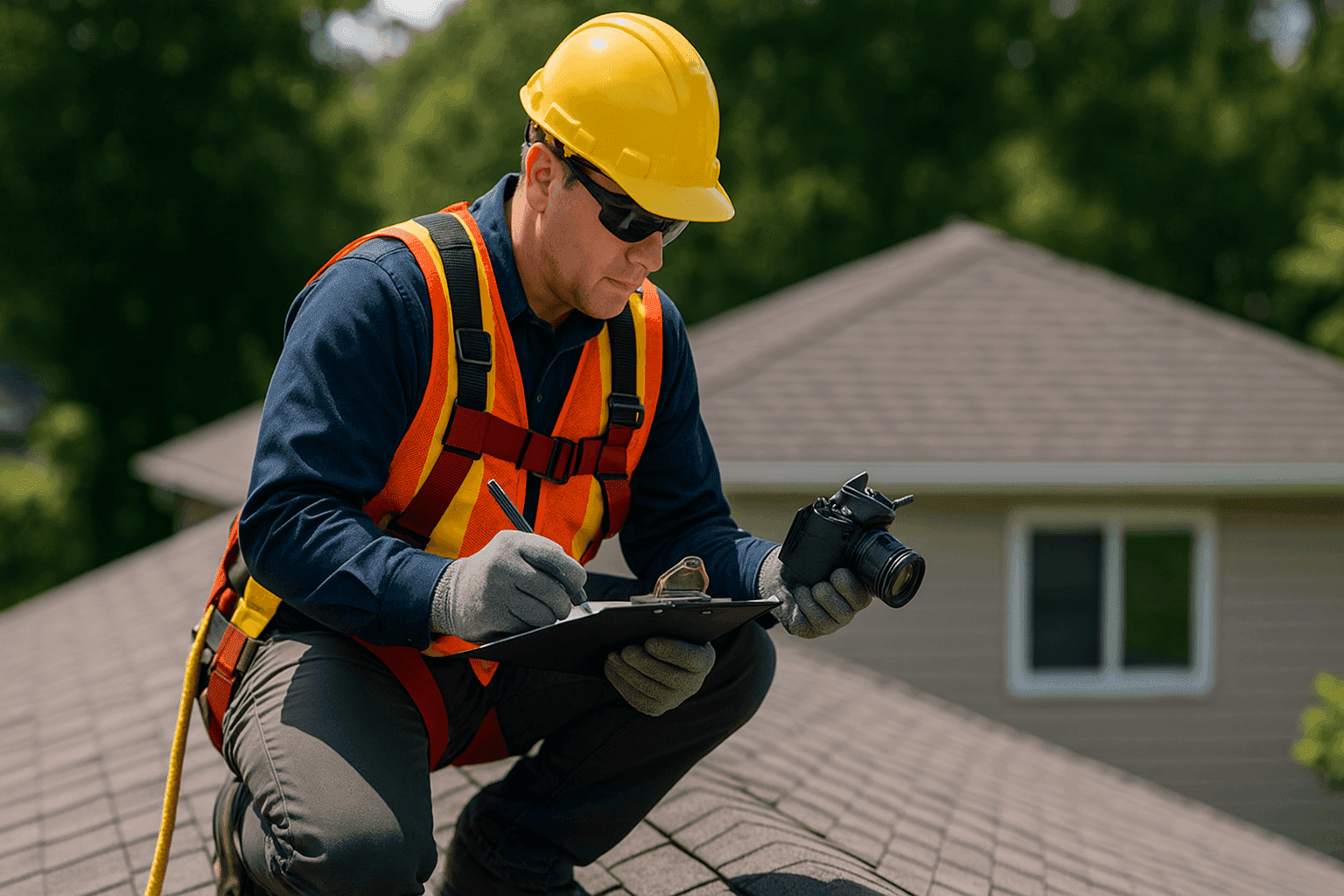
When it comes to your roof, out of sight shouldn’t mean out of mind. Like the brakes on your car or the lock on your front door, your roof quietly protects everything you care about—until it doesn’t.
At Blue Phoenix Roofing, we understand how one missed detail can turn a small drip into an emergency call. That’s why our certified inspectors treat every roof like it’s our own, checking every shingle, seam, and skylight. Here’s how we do it—and what you need to know before your next inspection.
Why Regular Inspections Matter 🏠
Think of your roof like a shield. Over time, even the toughest shields get nicked, cracked, or bent out of shape. Sun, wind, and storms slowly wear away at your roof’s defenses. That’s why the National Roofing Contractors Association (NRCA) and the International Association of Certified Home Inspectors (InterNACHI) both recommend professional roof inspections at least twice a year—spring and fall are best.
- Catching issues early costs far less than waiting until water stains appear on your ceiling.
- Insurance companies often require documentation of regular inspections, especially after storms.
- For commercial properties, local building codes might mandate annual or post-storm inspections.
Whether you own a single-story home or manage a sprawling warehouse, regular checks are your best defense against sudden leaks or costly emergency roofing repairs.
Step-by-Step Inspection Process
What happens during a professional roof inspection? Here’s the play-by-play.
1. Safety First
Before climbing a ladder, we check for:
- Overhanging power lines or tree branches
- Loose gravel or debris around the foundation
- Signs of animal nests or insects near the roofline
Inspectors use harnesses, non-slip shoes, and work in pairs when possible—following OSHA guidelines for fall protection.
2. Visual Walk-Around
From the ground, we scan for:
- Sagging rooflines (could mean hidden rot or structural issues)
- Dark patches or moss growth
- Missing or curled shingles

Above: Missing and damaged shingles spotted from the ground—an early warning sign.
3. Up-Close Roof Surface Check
Once safe, we check:
- Shingle condition: cracks, blisters, missing granules
- Tile or metal seams: rust, loose fasteners, broken tiles
- Flashing: gaps or corrosion around vents, chimneys, and skylights
- Sealants and coatings: dried-out or peeling sections
4. Gutters & Downspouts
Clogged or damaged gutters can back up water under your roof’s edge. We look for:
- Blockages from leaves or debris
- Loose or dented sections
- Downspouts disconnected or draining too close to the foundation

Above: Clearing a blocked gutter prevents overflow and hidden water damage.
5. Attic & Interior Check
Inside, we use flashlights (and sometimes moisture meters) to check for:
- Water stains or damp insulation
- Mold, mildew, or musty smells
- Sunlight peeking through the roof boards (never a good sign)
6. Special Features & Add-ons
If your roof has skylights, solar panels, or unique ventilation systems, each gets a close look. These are common leak points—especially after storms or heavy snow.
Critical Issues Pros Check For
What are the red flags that make a pro’s heart race? Here’s what stands out:
- Active leaks: Water entering the attic or living space, often after rain
- Missing or broken flashing: Especially around chimneys, skylights, or valleys
- Shingle “bald spots”: Granules missing, leaving the mat exposed
- Soft spots: Decking that gives underfoot, signaling rot
- Popped nails or screws: Can indicate shifting structure or storm damage
- Improper past repairs: DIY patches with caulk, tar, or mismatched materials
- Evidence of animal intrusion: Nests, chewed wood, or droppings

Above: Failed chimney flashing—a leading cause of chronic leaks.
Inspector Certifications Matter
At Blue Phoenix Roofing, every inspector is trained and certified by recognized organizations such as NRCA and HAAG Engineering. Our team stays current with evolving building codes and safety protocols. We’re fully insured, and our field managers regularly review inspection reports for accuracy.
Interpreting Your Inspection Report 📄
After the inspection, you’ll receive a detailed report—often the same day. Here’s what to expect:
- Annotated photos: Each issue is marked and explained.
- Simple descriptions: No jargon—just what’s wrong, why it matters, and how urgent it is.
- Clear next steps: If emergency roofing is needed, you’ll know what to do.
Sample Inspection Snapshot
“Shingle loss observed on north slope, approximately 12 sq. ft. Impact consistent with wind uplift. Recommend roof replacement near you within 30 days to prevent water intrusion.”
Real Customer Experiences
"Blue Phoenix Roofing’s inspection saved us thousands. They spotted a hidden leak before it ruined our attic. The annotated photos made it so easy to understand."
— J. Ramirez, homeowner
"Our commercial property insurance required a certified inspection. Blue Phoenix’s report was thorough and accepted without question."
— D. Lewis, property manager
How to Prepare for a Roof Inspection
- Clear your driveway: Make room for ladders and tools.
- Secure pets and children: Keep them inside during the inspection.
- Gather any previous roof repair records: Helps us spot recurring issues.
- List your concerns: Noticed leaks? Drafts? Let us know.
Practical Tips for Home & Business Owners
- Schedule inspections after major storms—especially hail or high winds.
- Trim back tree branches that hang over your roof.
- Clean gutters twice a year, or ask about our gutter cleaning service.
- Don’t ignore small leaks. Water always finds the path of least resistance.
Frequently Asked Questions
How long does a roof inspection take?
For most homes, 60–90 minutes. Large commercial roofs or complex designs can take up to half a day.
Will an inspection damage my roof?
No. We use non-invasive methods and only walk on roofs when absolutely necessary, using soft-soled shoes.
What if you find a major problem?
You’ll get a clear photo report and recommendations. Emergency roofing services are available 24/7—just let us know if it’s urgent.
Do I need to be home?
It’s helpful, but not required. We’ll keep you updated by phone or email and provide digital copies of your report.
Local & Seasonal Considerations 🌦️
- In snowy regions, spring inspections spot damage from ice dams.
- In coastal areas, salt and wind accelerate wear on metal roofs.
- In storm-prone zones, post-event inspections can document damage for insurance.
- For flat roofs, ponding water or membrane blisters are top concerns.
Check with your local building department for any specific requirements. The International Building Code (IBC) sets minimum standards, but your city may have stricter rules.
The Bottom Line
A roof inspection isn’t just a box to check. It’s peace of mind. Whether you need a routine check, emergency roofing, or a full roof replacement near you, Blue Phoenix Roofing is here—day or night.
Call Blue Phoenix Roofing now — or reach us anytime at 888-449-2134 .