Roof Decking: Why It Matters for Long-Term Roof Health
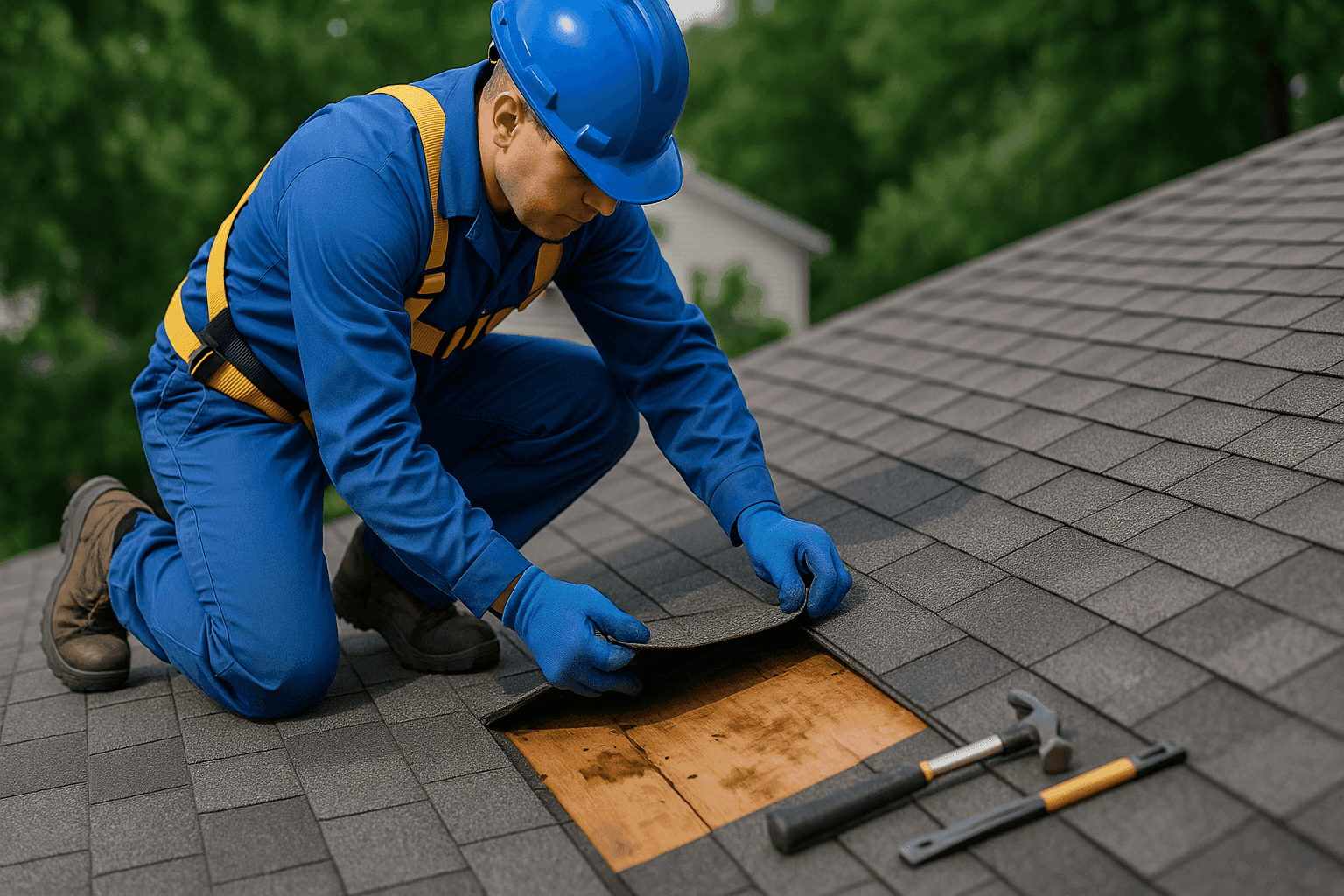
Is your roof really as solid as it looks? For most home and business owners, the answer is: who knows. Roof decking is out of sight and, too often, out of mind—until trouble comes knocking.
At Blue Phoenix Roofing, we’ve seen firsthand how underlying decking issues turn minor leaks into major emergencies. Whether you’re worried about a recent storm or just want to protect your investment for the long haul, understanding the role of decking is step one.
What Is Roof Decking? 🏠
Think of roof decking as the backbone of your entire roofing system. It’s the sturdy layer—usually wood panels—sitting right on top of your rafters. Shingles, metal panels, or tiles? They all rely on the decking below to stay strong and weather-tight.
Decking acts like the subfloor of your roof. It supports the weight of everything above, keeps your insulation in place, and, most importantly, provides a barrier between your living space and the elements. When it’s healthy, your roof stands tall. But when decking starts to rot, warp, or weaken, the whole structure is at risk.
Types of Roof Decking
- Plywood: The most common option for both homes and businesses. It’s affordable and strong.
- Oriented Strand Board (OSB): Compressed wood strands—very popular in newer construction.
- Tongue-and-Groove: Used in specialty or older buildings for added support.
- Metal Decking: Sometimes found in commercial flat roofs for extra durability.
Decking materials must meet local building codes (like International Residential Code Section R803) for safety and fire resistance. If you’re curious about your building’s requirements, the National Roofing Contractors Association (NRCA) is a reliable resource.
Signs of Decking Damage
Roof decking rarely calls attention to itself—until it fails. Here are the early warning signs:
- Sagging between rafters (your roofline dips or looks uneven)
- Persistent leaks or water stains on ceilings and walls
- Mushy or soft spots when you walk on the roof (never recommended without proper safety gear)
- Visible mold or mildew in the attic
- Cracked, curling, or missing shingles—often symptoms of a deeper problem

A single weak spot can spread. If left unchecked, water damage will creep in, causing structural issues that cost thousands to fix. In emergency roofing situations—like after a storm—decking is often the hidden culprit behind sudden leaks and ceiling collapses.
Repair vs. Replacement
You’ve found damage. Now what? Not all decking issues mean you need a full tear-off. Here’s how pros decide:
When Repair Makes Sense
- Small, isolated damage: A few water stains or minor rot can sometimes be cut out and patched.
- Prompt action: The sooner you catch it, the easier (and less expensive) it is to fix.
When Replacement Is Needed
- Widespread rot or mold
- Structural weakness (roof feels bouncy or sags)
- Multiple leak points
- Older roofs with repeated repair history

Licensed technicians from Blue Phoenix Roofing follow state and local codes during every decking repair or replacement. We use moisture meters, pull up shingles as needed, and show you before/after photos so you can see exactly what’s happening beneath the surface.
Decking and Roof Longevity
Think of decking like the foundation of a bridge. If the base is crumbling, nothing you put on top will last. Roof decking:
- Supports the full weight of your roof covering—shingles, metal, tile, or green roofing.
- Prevents leaks by providing a solid base for underlayment and flashing.
- Protects your insulation and attic from water and pest intrusion.
According to the National Roofing Contractors Association, well-maintained decking can add up to 10+ years to your roof’s life. Skipping inspections or patching over trouble spots? That’s like painting over rust—eventually, the problem resurfaces, often as a full-blown emergency.
Quick Safety Checklist
Before you climb a ladder or poke at soft spots, remember: roof work is risky. Here’s how to stay safe:
- Always use fall protection (harness, secure ladder, non-slip shoes)
- Never walk on roofs with visible sagging or water bubbles
- Wear gloves and eye protection if checking attic spaces
- If you spot mold, avoid stirring up dust—some types can be hazardous
When in doubt, call for a professional emergency roofing inspection near you. Blue Phoenix Roofing is licensed, insured, and follows OSHA safety guidelines on every job.
DIY or Call a Pro?
Everyone loves a good weekend project, but roof decking is not the place to experiment. Here’s why:
- Hidden hazards: Water damage can weaken supports you can’t see.
- Code compliance: Repairs must meet building codes for your insurance to stay valid.
- Warranty protection: Most roofing materials require certified installation on sound decking.
If you suspect decking issues, leave the inspection and repairs to trained roofers. We’ll show you real before/after photos—so you know exactly what’s fixed and why.
What Pros Do On Arrival
When you call Blue Phoenix Roofing for a decking concern, here’s what happens:
- Visual inspection: We check for visible sagging, stains, and other warning signs.
- Moisture testing: Specialized meters detect hidden water damage.
- Attic assessment: We examine the underside of your decking for mold, rot, or gaps.
- Shingle removal (if needed): Small sections are carefully lifted to see the decking below.
- Photo documentation: Every stage is documented—so you’re never left guessing.
Our licensed team can handle emergency repairs, full roof replacements, or preventative treatments—always with structural warranties for your peace of mind.
Prevention & Maintenance
Want to avoid costly emergencies? Protect your roof’s foundation with regular care:
- Schedule annual roof and attic inspections—especially after storms or heavy snow.
- Keep gutters and downspouts clear to prevent water backup.
- Address leaks or missing shingles immediately.
- Trim overhanging branches to reduce debris and mold risk.
- Ask your roofer about eco-friendly coatings or sealants, which can extend decking life.
The International Association of Certified Home Inspectors recommends checking decking whenever you replace shingles or make major repairs.
Costs & Time Factors
Decking repairs and replacements vary based on:
- Size of the damaged area
- Type of decking material
- Accessibility (steep or high roofs may cost more)
- Extent of water or mold damage
Small repairs can take a few hours, while full replacements—from tear-off to new shingles—may take a day or more. Blue Phoenix Roofing provides clear before/after photos so you know what was done and why.
When It’s an Emergency
If your ceiling is leaking, sagging, or collapsing, your decking could be the culprit. Fast action is essential:
- Move valuables out of the affected area.
- Use buckets or tarps to catch water.
- Call emergency roofing services right away.
Our team is available 24/7 for urgent repairs, storm damage restoration, and temporary waterproofing. We’re trained to stabilize structures safely and prevent further damage until a permanent fix is in place.
FAQ
How often should roof decking be inspected?
At least once a year, and after severe weather or visible leaks. Catching problems early can save thousands in long-term repairs.
Can you install new shingles over old decking?
Only if the decking is solid and meets modern building codes. Otherwise, underlying damage will quickly shorten your new roof’s lifespan.
What’s the difference between decking and underlayment?
Decking is the structural wood base. Underlayment is the waterproof material installed on top of decking, under the shingles.
Do flat and sloped roofs use the same decking?
Not always. Flat roofs may require stronger materials like metal decking, especially for commercial buildings.
Local/Seasonal Considerations 🌦️
In areas with heavy rain, snow, or rapid temperature swings, decking wears out faster. Freeze/thaw cycles can crack boards. High humidity encourages mold. In wildfire zones, code may require fire-resistant decking materials.
If you’re not sure what you need, ask your roofer about local code requirements or check with your city’s building department. Blue Phoenix Roofing has years of experience with regional weather extremes and the best decking options for your property—whether residential or commercial.
Roof decking is more than just a hidden layer—it’s the foundation that keeps your roof, and everything beneath it, safe. If you suspect trouble, don’t wait.
Call Blue Phoenix Roofing now — or reach us anytime at 888-449-2134 .