How to Prepare Your Roof for Severe Weather: A Homeowner’s Guide
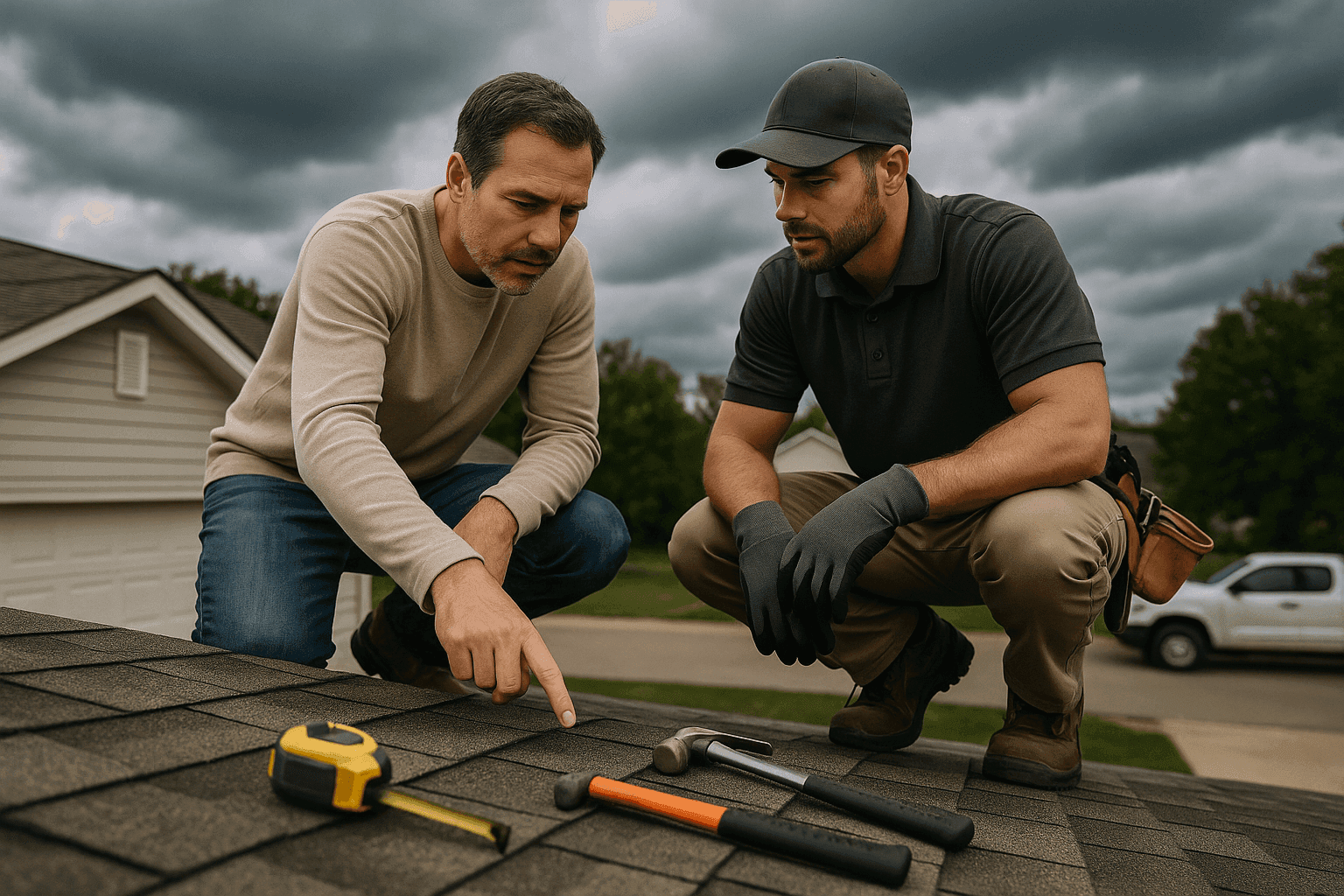
When the skies darken and the winds start to howl, your roof becomes your family’s first line of defense. It’s not just a layer of shingles or metal—it’s the shield that keeps your home or business safe, dry, and standing strong.
But severe weather doesn’t give much warning. Storms, heavy rain, and high winds can turn minor roof issues into major headaches overnight. That’s why a little preparation goes a long way. At Blue Phoenix Roofing, we’ve seen firsthand how smart planning can save thousands in repairs—and more importantly, keep people safe.
Why Roof Preparation Matters 🏠
Think of your roof as a helmet for your home. Just as you wouldn’t ride a bike without checking your helmet, you shouldn’t face storm season without making sure your roof is ready.
Severe weather can rip off shingles, clog gutters, and cause leaks that creep into walls and ceilings. According to the International Association of Certified Home Inspectors (InterNACHI), water intrusion is one of the leading causes of structural damage in homes. By preparing your roof, you’re not just protecting your investment—you’re protecting your peace of mind.
Quick Safety Checklist
Before the storm clouds gather, run through this quick checklist:
- Inspect your roof from the ground—look for missing or curled shingles.
- Clear gutters and downspouts so water can flow freely.
- Check attic insulation and ventilation.
- Trim overhanging tree branches.
- Secure loose outdoor items that could become airborne.
- Have emergency roofing contacts handy.
- Review your insurance policy for roof coverage.
A few minutes today can prevent days—or weeks—of stress later.
Step-by-Step Roof Inspection
A careful inspection is your first defense. You don’t need to be a roofing expert to spot trouble, but you do need to know what to look for.
Start with the Obvious
Walk around your property and look up. Binoculars can help you spot:
- Missing, cracked, or curling shingles
- Damaged or rusted flashing around chimneys, skylights, and vents
- Sagging spots or uneven rooflines
- Moss or dark streaks (signs of trapped moisture)
- Loose or detached gutters and downspouts
Check Indoors
Head to your attic or top floor. Signs of trouble here include:
- Damp insulation or water stains
- Light peeking through the roof boards
- Musty odors (which can signal mold)
Don’t Forget the Details
Small issues can lead to big problems. Pay attention to:
- Skylight seals and caulking
- Chimney flashing and caps
- Roof decking for soft spots
If you spot anything suspicious, jot it down. Photos help if you need to call for emergency roofing help later.
Preventative Maintenance Tasks
Preventing damage is always easier—and cheaper—than fixing it after the fact. Here’s how you can get ahead of the storm:
Clean Gutters and Downspouts
Clogged gutters are like blocked arteries for your roof. Water backs up, spills over, and can soak into your roof’s edges and walls. Clean gutters at least twice a year, and more often if you have tall trees nearby.
Seal Cracks and Gaps
Use roofing sealant to patch minor cracks in flashing, vent boots, or around skylights. If you’re not comfortable on a ladder, call a pro for help.
Reinforce Roof Decking
The roof deck is the backbone of your roof. If it feels soft or spongy underfoot, it may need reinforcement. This is a job for professionals, but early detection makes repairs simpler.
Check Attic Insulation and Ventilation
Good insulation keeps your roof’s temperature stable and helps prevent ice dams and condensation. Make sure attic vents are clear and insulation is dry and evenly spread.
Trim Trees and Secure Loose Items
Branches too close to your roof can scrape shingles or break off during storms. Trim them back and secure patio furniture, grills, and other outdoor items.
Emergency Readiness Tips
Sometimes, even the best preparation isn’t enough. Here’s how to stay ready for the unexpected:
- Keep tarps and roofing nails in your garage for quick temporary fixes.
- Know how to safely shut off your home’s electricity if water leaks inside.
- Store important documents and emergency contacts in a safe, dry place.
- If you suspect roof damage during a storm, stay indoors and away from windows until it’s safe to inspect.
And remember: If you see signs of major damage—like sagging ceilings or visible leaks—call for emergency roofing help immediately.
DIY vs. Call a Pro
Some tasks are safe to handle yourself. Others are best left to those with the right tools, training, and safety gear.
When DIY Makes Sense
- Cleaning gutters and downspouts
- Trimming small branches
- Checking for visible damage from the ground
When to Call a Pro
- Walking on steep or high roofs
- Repairing flashing, shingles, or roof decking
- Addressing leaks or water stains inside your home
- Emergency roofing after severe weather
Roof work can be risky. According to the Occupational Safety and Health Administration (OSHA), falls are a leading cause of home repair injuries. When in doubt, stay safe and call a professional.
What Pros Do On Arrival
When you call Blue Phoenix Roofing for emergency roofing or storm prep, here’s what you can expect:
-
Thorough Inspection
We check every inch—shingles, flashing, gutters, attic, and ventilation. -
Targeted Repairs
From patching leaks to securing loose shingles, we handle urgent fixes right away. -
Preventative Solutions
We’ll recommend ways to strengthen your roof against future storms, like adding sealants, reinforcing decking, or improving insulation. -
Clear Communication
No jargon. Just honest advice and step-by-step explanations. -
Safety First
We follow all relevant safety codes and guidelines from organizations like OSHA and the National Roofing Contractors Association (NRCA).
Prevention & Maintenance
Routine care keeps your roof strong year-round. Here are habits that make a difference:
- Schedule professional inspections every 1–2 years.
- Clean gutters and check downspouts seasonally.
- Replace missing or damaged shingles promptly.
- Keep attic insulation dry and properly installed.
- Inspect flashing after storms or high winds.
- Consider eco-friendly roofing options to boost durability and efficiency.
A little attention now can add years to your roof’s lifespan.
Costs & Time Factors
Roof preparation and repair costs vary like the weather itself. Here’s what to expect:
- Inspections: Usually take 1–2 hours.
- Gutter cleaning: Can be done in under a day.
- Minor repairs: Patching a leak or replacing a few shingles is usually quick and affordable.
- Major repairs or replacement: These take longer and cost more, especially if structural work is needed.
Emergency roofing services may carry extra costs due to urgency and after-hours work. But fast action can prevent even costlier damage down the road.
When It’s an Emergency
Not every roof issue is urgent, but some signs mean you should act fast:
- Water pouring or dripping inside during a storm
- Large sections of missing shingles or metal panels
- Sagging roof lines or ceilings
- Debris or tree limbs puncturing the roof
- Visible daylight through the attic or roof boards
If you see these, don’t wait. Call for emergency roofing help to prevent further damage and keep your home safe.
FAQ: Severe Weather Roof Prep
How often should I check my roof for storm readiness?
At least twice a year—once in spring and once before storm season. Also, check after major storms.
Can I use tarps for temporary fixes?
Yes, tarps can help control leaks until a professional arrives. Secure them tightly and avoid climbing on the roof during bad weather.
What’s the most common storm damage?
Missing shingles, damaged flashing, and clogged gutters are the usual suspects. All can be prevented or minimized with regular checks.
Should I upgrade to metal or tile roofing for better storm protection?
Metal and tile roofs can offer added durability, but the best choice depends on your building, climate, and budget. Ask a roofing professional to review your options.
Special Considerations for Severe Weather Roofing
Every roof is unique. Age, material, and past repairs all play a role in how it stands up to storms. If your roof is older or has had multiple repairs, consider a professional evaluation before storm season. Eco-friendly options, like reflective coatings or recycled materials, can also help improve performance and efficiency.
If you own a business, don’t forget to check flat roofs, skylights, and commercial-grade gutters. These areas are especially vulnerable during severe weather.
Call Blue Phoenix Roofing now — or reach us anytime at 888-449-2134 .