How to Extend Your Roof’s Lifespan: Essential Maintenance Tips
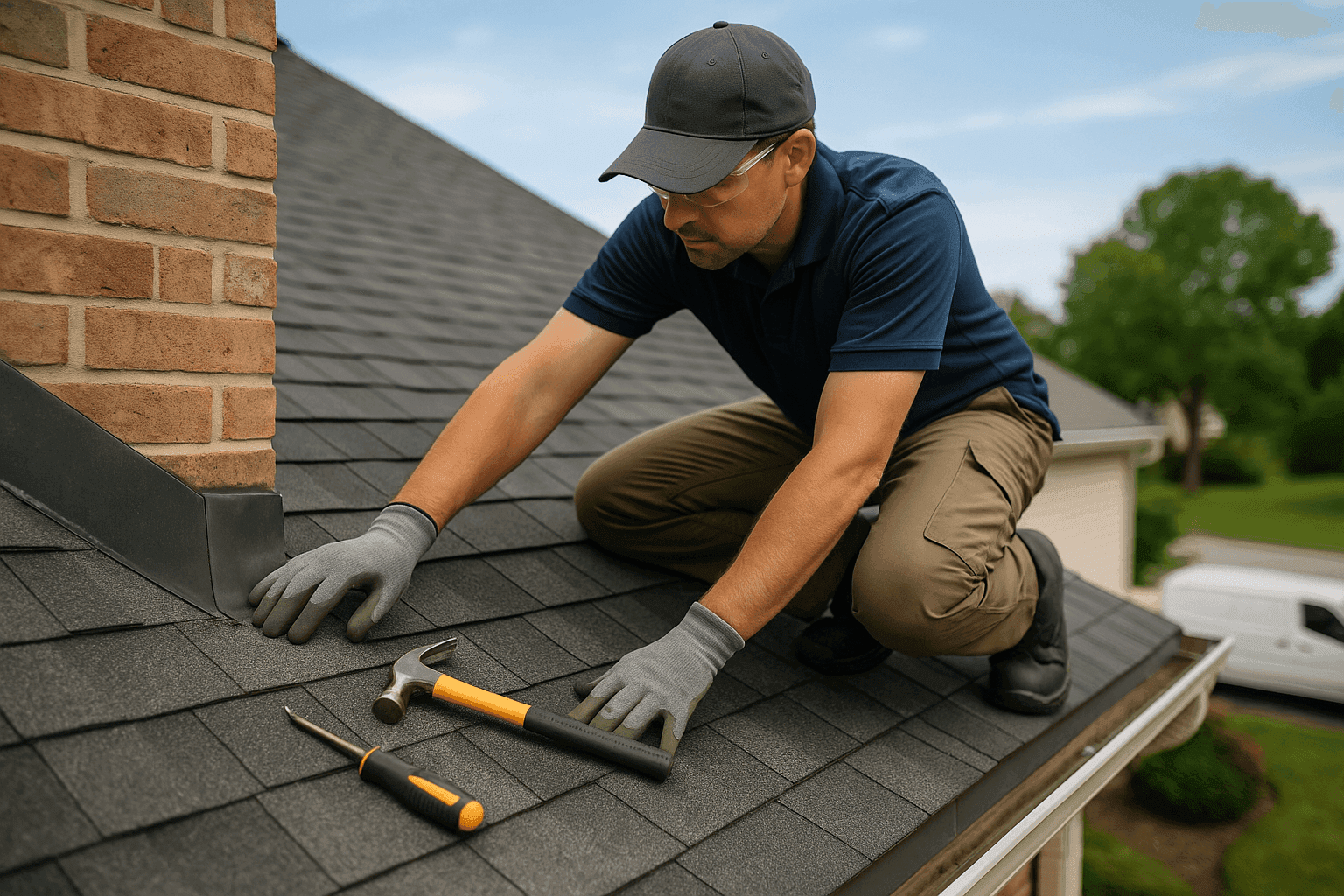
Roofs are like shields—quietly defending your home or business from rain, wind, and sun. But just like any good shield, they need a little care to keep doing their job.
If you’ve ever worried about leaks, missing shingles, or the aftermath of a wild storm, you’re not alone. At Blue Phoenix Roofing, we’ve seen how regular maintenance can mean the difference between a quick fix and a costly emergency roofing call. Let’s walk through the steps you can take today to help your roof last for years.
Why Roof Maintenance Matters
Think of your roof as the unsung hero of your property. It takes a beating from the weather every day, quietly keeping everything beneath it safe and dry. But without regular attention, even the toughest roof can develop weak spots.
Neglect can lead to small problems—like a loose shingle or clogged gutter—snowballing into major damage. Water can sneak in, insulation can get soggy, and before you know it, you’re facing expensive repairs. A little prevention goes a long way.
Quick Safety Checklist Before You Start 🦺
Before you climb a ladder or grab your toolbox, pause. Safety always comes first. Here’s what to check before any roof work:
- Make sure your ladder is stable and set on even ground.
- Wear shoes with good grip—wet or mossy roofs are slippery.
- Avoid working alone. If possible, have someone nearby.
- Don’t work on the roof in bad weather—wait for dry, calm conditions.
- Use gloves and eye protection when handling debris or cleaning gutters.
- Know your limits. If the roof is steep or high, it’s best to call a pro.
For more on roof safety, the Occupational Safety and Health Administration (OSHA) offers clear guidelines for residential and commercial work.
Seasonal Roof Maintenance Checklist
Just as you wouldn’t skip a car’s oil change, your roof needs routine checkups. Here’s a simple seasonal breakdown:
Spring
- Inspect for winter damage: Look for cracked, curling, or missing shingles.
- Clean gutters and downspouts: Remove leaves and debris to prevent water backup.
- Check attic ventilation: Make sure vents are clear for healthy airflow.
- Examine flashing: Pay close attention to the seals around chimneys, skylights, and vents.
Summer
- Trim overhanging branches: Prevent falling limbs and reduce debris.
- Check for moss or algae: These can trap moisture and damage shingles.
- Look for signs of pests: Birds, squirrels, or insects can make homes in weak spots.
Fall
- Clear gutters again: Falling leaves can clog drainage quickly.
- Inspect insulation: Make sure your attic is well-insulated for the colder months.
- Scan for loose or damaged shingles: Fix issues before winter storms arrive.
Winter
- Watch for ice dams: These can force water under shingles and into your home.
- Remove heavy snow: If safe, use a roof rake to prevent excess weight.
- Check for leaks after storms: Look for water stains or drips inside.
Consistent care, season after season, keeps your roof in fighting shape.
Spotting Early Signs of Roof Trouble
Sometimes, your roof whispers before it shouts. Catching these early warnings can save you a world of trouble:
- Water stains on ceilings or walls.
- Peeling paint near rooflines.
- Granules collecting in gutters (from asphalt shingles).
- Sagging or uneven roof areas.
- Rust on metal flashing or gutters.
- Visible daylight through attic boards.
If you notice any of these, don’t wait. Address them quickly to prevent bigger headaches.
Gutters and Downspouts: The Unsung Heroes
Gutters and downspouts are like your roof’s drainage system. When they’re clogged or damaged, water pools where it shouldn’t, leading to leaks and rot.
- Clean gutters at least twice a year.
- Check for loose fasteners or sagging sections.
- Make sure downspouts direct water away from your foundation.
- Look for rust, holes, or cracks—repair or replace as needed.
Well-maintained gutters and downspouts are your first line of defense against water damage.
DIY vs. When to Call a Roofing Pro
Some roof tasks are perfect for a hands-on approach. Others? Not so much.
DIY-Friendly Tasks
- Cleaning gutters and downspouts.
- Trimming small branches.
- Checking attic ventilation.
- Spotting obvious shingle or flashing issues.
Call a Pro For:
- Roofs with steep slopes or multiple stories.
- Major leaks or persistent water stains.
- Structural issues (sagging, bowing).
- Storm or hail damage.
- Installing or repairing skylights, flashing, or large sections of shingles.
A professional brings not just tools, but years of experience and knowledge of safety codes. When in doubt, don’t risk it—call Blue Phoenix Roofing for help.
What Roofing Pros Do On Arrival
When you call in a pro, here’s what you can expect:
- Thorough inspection: Inside and out, including attic, decking, and insulation.
- Detailed assessment: Identifying hidden leaks, weak spots, and storm damage.
- Professional-grade repairs: Using quality materials and proper techniques.
- Advice on preventative maintenance: Tailored to your property and roof type.
We also check for compliance with building codes and manufacturer warranty requirements, so you stay protected.
Prevention & Maintenance: The Long Game
A little routine care can add years to your roof’s life. Here’s how to make maintenance a habit:
- Schedule inspections twice a year—spring and fall are ideal.
- Keep gutters and downspouts clear.
- Address minor repairs right away.
- Monitor attic ventilation and insulation.
- Use eco-friendly coatings or sealants for extra protection.
- After big storms, do a quick walk-around to check for visible issues.
Remember, preventative maintenance is always less expensive than emergency roofing repairs.
Costs & Time Factors
How much time and money should you expect to invest? It depends on your roof’s age, material, and size.
- DIY cleaning and inspection: A few hours, minimal cost.
- Professional inspection: Usually takes 1–2 hours.
- Minor repairs (shingles, flashing): Can be completed in a day.
- Major repairs or replacement: Several days, depending on complexity.
Investing in regular maintenance can delay the need for a full replacement—saving you thousands in the long run.
When It’s an Emergency 🚨
Sometimes, the unexpected happens. A tree limb crashes down, a sudden leak appears during a storm, or high winds tear off shingles. That’s when you need emergency roofing services—fast.
Signs of a roofing emergency:
- Active leaks during rain.
- Major structural damage.
- Large areas of missing roofing material.
- Sudden, unexplained water pooling indoors.
In these cases, don’t wait. Secure the area, minimize water damage inside, and call Blue Phoenix Roofing—day or night.
Frequently Asked Questions
How often should I have my roof inspected?
Twice a year is ideal—once in spring, once in fall. After severe weather, a quick check is also smart.
What are the most common causes of roof leaks?
Clogged gutters, damaged flashing, missing shingles, and poor attic ventilation are frequent culprits.
Can I walk on my roof to inspect it?
It’s best to stay off the roof unless you’re experienced and it’s safe. Use binoculars from the ground, or call a professional.
Do eco-friendly roofing options last as long as traditional materials?
Modern eco-friendly options, like cool roof coatings and recycled shingles, are built to last and meet industry durability standards.
Special Considerations for Roof Maintenance
Every roof is different. Metal, tile, shingle, and flat roofs each have their own quirks. For example:
- Metal roofs need regular checks for rust and loose fasteners.
- Tile roofs can crack underfoot—leave repairs to professionals.
- Flat roofs require vigilant drainage checks to prevent pooling.
- Skylights and chimneys need special attention to flashing and sealants.
No matter your roof type, keeping up with maintenance is the best way to avoid surprises.
A strong, healthy roof means peace of mind—rain or shine. Whether you’re tackling seasonal upkeep or facing an urgent repair, Blue Phoenix Roofing is here to help, 24/7.
Call Blue Phoenix Roofing now — or reach us anytime at 888-449-2134 .