How to Choose the Best Roof Sealants and Coatings for Longevity
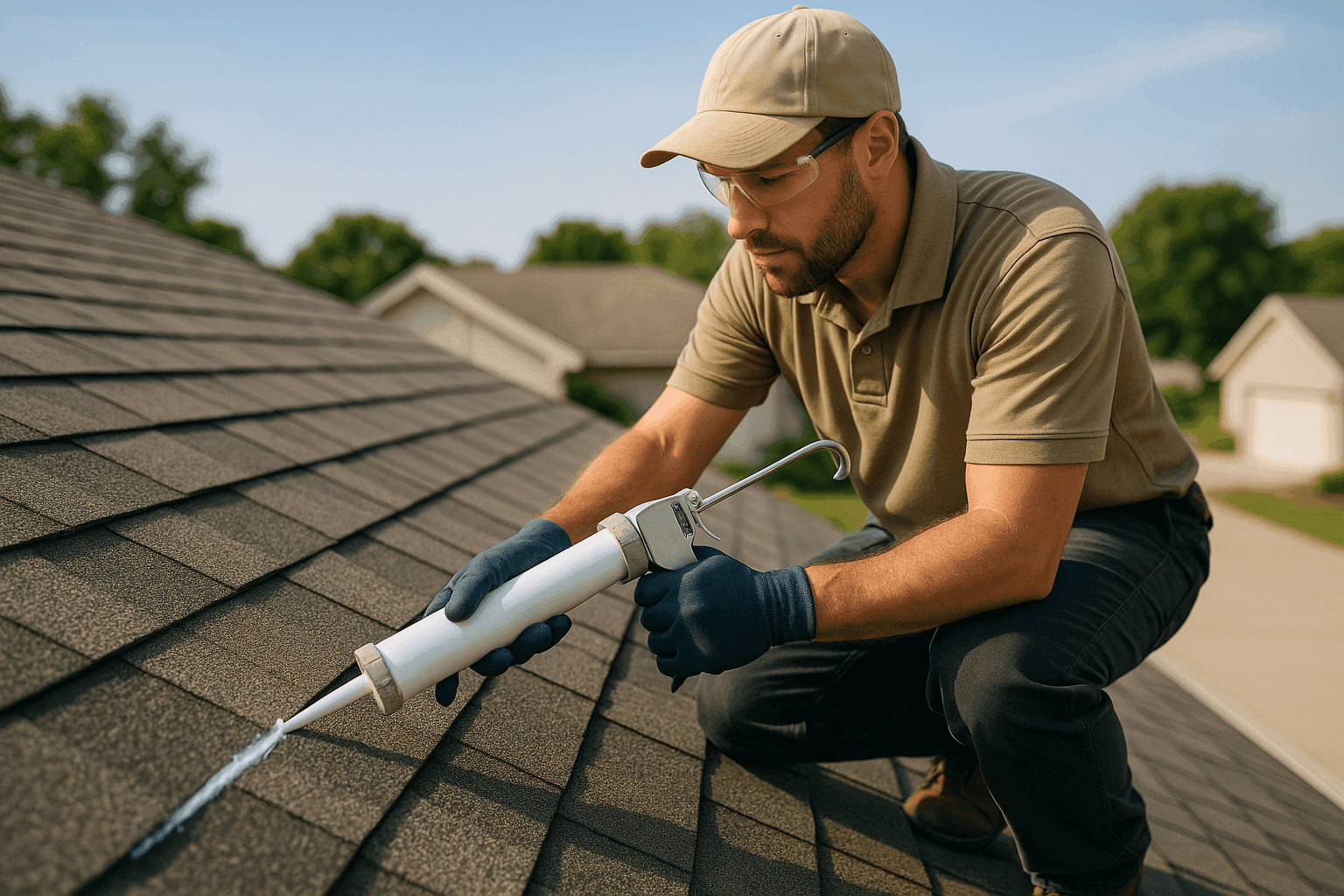
Keeping a roof over your head isn’t just a figure of speech. It’s a real, daily need—especially when storms, leaks, or age threaten your peace of mind. At Blue Phoenix Roofing, we know how fast a small drip can become a big deal.
Choosing the right roof sealants and coatings is like putting a strong umbrella over your home or business. It’s protection, comfort, and savings—all rolled into one smart decision.
Why Sealants and Coatings Matter
Think of your roof as a shield. Over time, rain, sun, and wind chip away at its strength. Cracks form. Water sneaks in. Suddenly, you’re dealing with leaks, mold, or even structural damage.
Sealants and coatings are like armor. They add a protective layer that blocks out water, reflects harsh sunlight, and helps your roof last longer. For emergency roofing situations, a good sealant can mean the difference between a quick fix and a costly replacement.
Types of Roof Sealants and Coatings
Not all products are created equal. Here’s a quick rundown of the main types you’ll see on the market:
- Acrylic Coatings: Water-based, easy to apply, and great for reflecting sunlight. Best for sloped roofs and moderate climates.
- Silicone Sealants: Highly flexible and water-resistant. Ideal for flat roofs or areas with heavy rain.
- Elastomeric Coatings: Stretchy and tough. Perfect for roofs that expand and contract with temperature swings.
- Polyurethane Sealants: Durable and chemical-resistant. Often used for commercial roofs or high-traffic areas.
- Eco-Friendly Options: Low-VOC, reflective, and sometimes made from recycled materials. Good for those who want to reduce their environmental footprint.
Each type has its strengths. The best one for your property depends on your roof’s material, shape, and the weather it faces.
Quick Safety Checklist 🛡️
Before you climb up or grab a brush, make sure you’re ready. Roof work isn’t for everyone—safety always comes first.
- Inspect the ladder for stability and height.
- Wear non-slip shoes and gloves.
- Check the weather—never work on a wet or windy roof.
- Use a harness if the slope is steep.
- Keep someone nearby in case you need help.
If any of these steps feel risky, it’s time to call in the pros.
DIY or Call a Pro?
Some folks love a good weekend project. Others would rather not risk a trip to the ER. Here’s how to decide:
Go DIY If:
- Your roof is low and easy to access.
- The damage is minor (like sealing a small crack).
- You’re comfortable with basic home repairs.
Call a Pro If:
- The roof is steep, high, or slippery.
- You spot widespread damage or leaks.
- You have a flat roof with pooling water.
- You want a warranty or professional-grade results.
Remember, a botched job can cause more trouble than it solves—especially with emergency roofing needs.
What Pros Do On Arrival
When Blue Phoenix Roofing arrives, we don’t just slap on a coat and call it a day. Here’s what you can expect:
Step-by-Step Process
- Inspection: We check for leaks, cracks, and weak spots. Sometimes, what looks like a minor issue is a symptom of a bigger problem.
- Surface Prep: Cleaning away dirt, old sealant, and debris is crucial. A clean surface means the new coating sticks better and lasts longer.
- Product Selection: We match the sealant or coating to your roof’s material, age, and the local climate. For example, elastomeric coatings work wonders on roofs that expand and contract in the sun.
- Application: Using industry-standard tools and techniques, we apply the product evenly and thoroughly. Following guidelines from the National Roofing Contractors Association (NRCA) ensures lasting protection.
- Final Check: After drying, we inspect the seal for gaps or thin spots. Quality control is key.
How to Choose the Best Product
Picking the right sealant or coating can feel overwhelming. Here’s a simple guide:
1. Know Your Roof Type
- Shingle Roofs: Acrylic or elastomeric coatings often work best.
- Metal Roofs: Silicone or polyurethane sealants hold up to expansion and contraction.
- Flat Roofs: Silicone or elastomeric options prevent pooling and leaks.
- Tile Roofs: Acrylics are lightweight and won’t weigh down tiles.
2. Consider Your Climate
- Hot, Sunny Climates: Reflective, UV-resistant coatings keep your building cooler and lower energy bills.
- Rainy Areas: Waterproof silicone sealants are your best bet.
- Cold Regions: Flexible, elastomeric products handle freeze-thaw cycles without cracking.
3. Think Eco-Friendly
- Look for low-VOC (volatile organic compound) products.
- Reflective “cool roof” coatings can reduce energy use and your carbon footprint.
4. Check Compatibility
- Read manufacturer guidelines.
- Some coatings don’t play well with certain roof materials.
- Always follow ASTM International standards for roof coatings and sealants.
Application Techniques: Do’s and Don’ts
Getting the job done right means following a few golden rules:
- Do: Clean the roof thoroughly before applying anything.
- Do: Use the right tools—rollers, brushes, or sprayers as recommended.
- Do: Apply in the recommended temperature range.
- Do: Coat edges, seams, and penetrations (like vents and skylights) with extra care.
- Don’t: Rush the drying time. Let each layer cure fully.
- Don’t: Apply sealant over wet or dirty surfaces.
- Don’t: Ignore safety gear.
Maintenance Tips for Maximum Longevity
A little upkeep goes a long way. Here’s how to make your sealants and coatings last:
- Schedule annual roof inspections, especially after big storms.
- Clean gutters and downspouts to prevent water buildup.
- Touch up worn or cracked areas as soon as you spot them.
- Trim overhanging branches to reduce debris and shade.
Sticking to a maintenance routine can double the lifespan of your roof’s protective layer.
Energy Efficiency, Storm Resistance, and Cost Savings
A well-sealed roof does more than block leaks. It can:
- Lower Energy Bills: Reflective coatings bounce sunlight away, keeping your building cooler.
- Boost Storm Resistance: Flexible sealants help your roof flex instead of crack during high winds or heavy rain.
- Save Money: Preventing leaks and damage means fewer emergency roofing calls and less risk of premature replacement.
According to the U.S. Department of Energy, cool roof coatings can reduce energy use by up to 15% in some buildings. That’s real money back in your pocket.
Costs & Time Factors
How much will it set you back? It depends:
- Material Costs: Acrylics are generally the most affordable. Silicone and polyurethane run higher but last longer.
- Labor: DIY saves money but takes time and carries risk. Professional application ensures quality and safety.
- Time: Most coatings need a dry, mild day and several hours to cure. Full projects can take a day or two, depending on roof size.
Cutting corners can lead to bigger bills down the road. Investing in quality now pays off over time.
When It’s an Emergency
Sometimes, you can’t wait. A sudden leak during a storm, water stains on your ceiling, or the dreaded drip-drip-drip at midnight—these are signs you need emergency roofing help.
Don’t risk your safety or property. Quick, professional intervention can stop leaks before they spiral into major repairs.
FAQ
What’s the difference between sealants and coatings?
Sealants are used to fill gaps, cracks, and joints—think of them as caulk for your roof. Coatings are spread over larger areas to create a waterproof, reflective barrier.
How often should I reapply roof coatings?
Most coatings last 5–10 years, but harsh weather can shorten that window. Annual inspections help catch wear early.
Are roof coatings safe for the environment?
Many modern products are low-VOC and energy-saving. Look for eco-friendly labels and check the manufacturer’s data sheet.
Can sealants and coatings fix all leaks?
They’re great for minor leaks and preventative care. But if you have structural damage or major water intrusion, a full repair or replacement may be needed.
Special Considerations for This Service
- Historic or specialty roofs may need custom solutions—never apply generic products without consulting a professional.
- Flat roofs require extra attention to drainage and pooling. Improper application can trap water instead of shedding it.
- Commercial properties often need more robust, chemical-resistant coatings due to foot traffic and equipment.
When in doubt, consult the National Roofing Contractors Association (NRCA) guidelines or reach out to a licensed professional.
Ready to protect your home or business for the long haul? Call Blue Phoenix Roofing now — or reach us anytime at 888-449-2134 .